

Room addition cost in Ventura County typically lands between $80,000 and $200,000 in 2026, with pricing driven almost entirely by size, structure, and the type of space you are building. A modest bump out can finish under $30,000, a full bedroom addition runs $80,000 to $120,000, and a second story project can pass $250,000. Before committing to an addition, it is worth weighing all your expansion options, and reading about the ADU advantage will help you decide whether extra square footage should attach to your home or stand on its own in the backyard.
In this guide we unpack the real room addition cost in Ventura County from every angle: per square foot pricing by addition type, what different rooms cost to build, permit fees, realistic timelines, resale returns, and the planning habits that keep six figure projects on track from Thousand Oaks and Simi Valley to Camarillo and Oxnard.
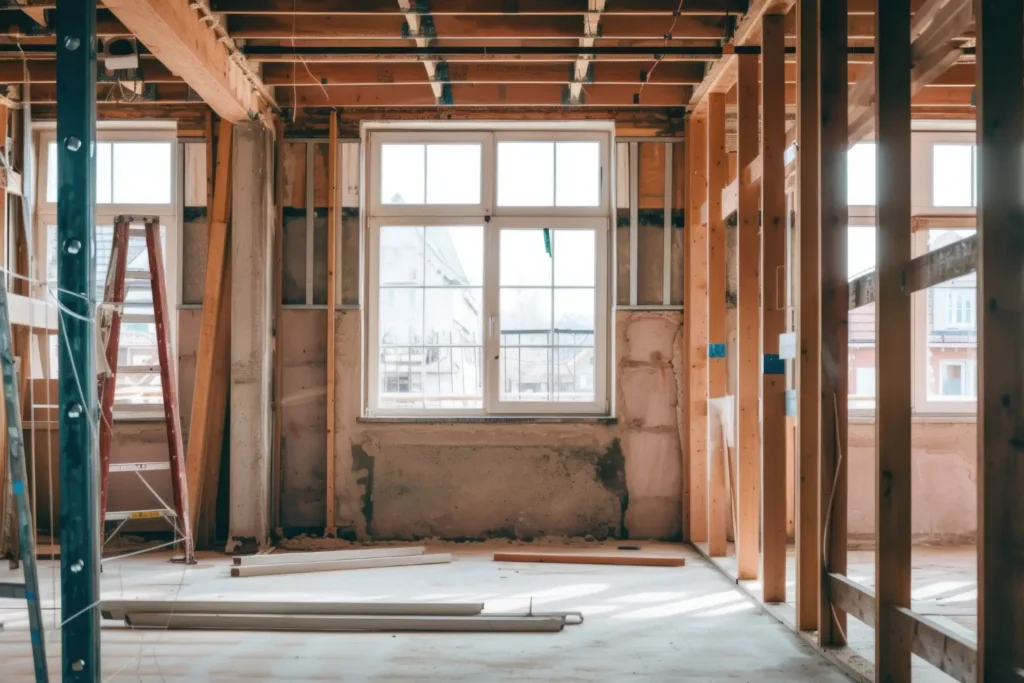
How Much Does a Room Addition Cost in Ventura County?
The honest answer starts with square footage. Most additions in the county price out between $250 and $400 per square foot for standard single story construction, with simpler projects dipping lower and complex structural work climbing higher. That means a 12 by 16 foot room, about 192 square feet, typically costs $48,000 to $77,000 to build, while a 400 square foot family room addition runs $100,000 to $160,000.
Those figures cover the full scope: foundation, framing, roofing, electrical, insulation, drywall, flooring, windows, and finish work, plus the design and permitting that come first. Understanding the room addition cost in Ventura County per square foot gives you a fast sanity check on any bid you receive, because a quote far below the local range usually signals missing scope rather than a bargain.
Cost by Addition Type
The structure you choose matters more than any finish selection.
Bump Out Addition: $200 to $350 Per Square Foot
A bump out extends an existing room by 2 to 6 feet, reusing existing walls and requiring minimal foundation work. A typical 8 by 10 bump out finishes between $16,000 and $28,000, making it the most affordable way to gain breathing room in a cramped kitchen, bedroom, or living area.
Full Single Story Addition: $250 to $400 Per Square Foot
This is the classic addition: a new foundation, new roof, new walls, and complete electrical and possibly plumbing systems. It is the most common choice for bedrooms, home offices, and family rooms because it delivers true, permanent square footage that appraises like the rest of the house.
Second Story Addition: $350 to $500 Plus Per Square Foot
Building up requires structural reinforcement, foundation load calculations, and engineering that ground level projects never touch. A 400 square foot second story runs $140,000 to $250,000 or more. On smaller lots where yard space is precious, going up is often the only way to gain meaningful square footage, and it can still cost less than moving to a larger home.
Sunroom or Three Season Room: $300 to $450 Per Square Foot
Sunrooms sit between a full addition and an outdoor structure. A 200 square foot sunroom typically costs $60,000 to $90,000 and adds bright, flexible living space that families use year round in our mild climate.
What Different Rooms Cost to Add
The room’s purpose shapes the budget as much as its size. A standard bedroom addition of 144 to 200 square feet usually runs $80,000 to $120,000. A primary suite with a bathroom and walk in closet climbs to $130,000 to $200,000 because plumbing, tile, and cabinetry stack on top of the structural work. A family room or great room addition of 300 to 400 square feet lands between $90,000 and $160,000, while a compact home office can finish in the $60,000 to $90,000 range. Every one of these projects touches foundation, framing, roofing, and multiple licensed trades, which is why experienced project management pays for itself. Construction by Maya provides complete room addition services that carry a project from design and engineering through permits, construction, and final inspection with one accountable team.
Where the Money Actually Goes
Every room addition cost in Ventura County splits into predictable categories. Foundation and framing typically absorb 25 to 35 percent of the budget, since concrete, lumber, and structural labor form the literal backbone of the project. Roofing and exterior work take another 15 to 20 percent to tie the new structure seamlessly into the existing home, which is the detail that separates a professional addition from one that looks bolted on. Electrical, plumbing, and HVAC run 15 to 20 percent, interior finishes like drywall, flooring, paint, and trim consume 20 to 25 percent, and design, engineering, and permits round out the final 8 to 12 percent.
Permits and Approvals
Additions cannot skip the permit desk. Cities across the county enforce strict codes, and unpermitted square footage creates serious problems during appraisals and home sales. Expect total permit fees of $2,400 to $5,700, covering the building permit at $1,500 to $3,500 plus separate electrical, plumbing, and mechanical permits at $300 to $800 each. Plan on 4 to 8 weeks for plan check and issuance, and add time if your neighborhood has HOA architectural review. California’s seismic requirements also mean engineered plans are standard for additions here, not an optional upgrade.
How Long an Addition Takes
From first consultation to final inspection, most additions take 3 to 6 months. Design and engineering consume the first several weeks, permits take 4 to 8 weeks, and construction itself runs 2 to 4 months depending on size and complexity. Second story projects sit at the long end because the existing roof comes off and structural work must be sequenced carefully. Build one extra month of cushion into your expectations, since weather, material lead times, and hidden structural conditions occasionally stretch even well managed schedules.
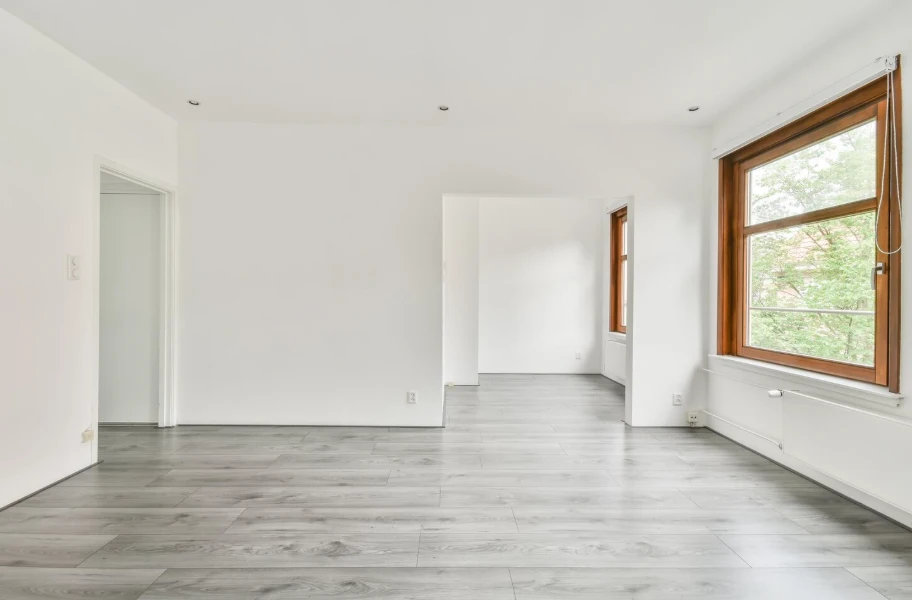
Room Addition vs ADU: Which Is Right for You?
Homeowners weighing the room addition cost in Ventura County often compare it against building an accessory dwelling unit, and the right answer depends on the goal. An addition expands your primary living space and integrates with the home, ideal for a growing family that needs another bedroom or a larger gathering area. An ADU is a self contained unit with its own kitchen and bath, ideal for rental income, multigenerational living, or a private guest house. Additions usually cost less per project when the goal is simply one more room, while ADUs unlock income potential that additions cannot. Many families sketch both options with their contractor before choosing, and the lot, the budget, and the ten year plan usually point clearly in one direction.
Factors That Move the Price
Several variables explain why two similar additions can differ by $50,000. Adding plumbing for a bathroom or wet bar raises costs sharply, since new supply and drain lines mean trenching and inspections. Matching complex rooflines takes more framing labor than tying into a simple gable. Sloped lots require additional foundation engineering, and older homes sometimes need electrical panel upgrades before the new circuits can land. Finish level matters too, because a bedroom with standard carpet and paint costs far less per foot than a primary suite with tile, custom closets, and designer fixtures. Finally, site access affects labor hours on every single day of the build, so tight side yards and limited parking quietly add cost.
What You Get Back at Resale
Room additions return more value than most renovations, which is why the room addition cost in Ventura County is best viewed as an investment rather than an expense. Local projects typically recoup 60 to 80 percent of their cost at resale, with bedroom additions performing best because bedroom count is a primary search filter for buyers. A well built addition also makes the home compete in a higher bracket entirely, since a four bedroom house is simply worth more than a three bedroom one in every neighborhood across the county. Beyond the appraisal math, you gain the space your family actually needs without leaving the schools, commute, and community you already love, which is the whole reason most homeowners choose to expand rather than move.
Why Local Additions Cost More Than National Averages
National cost guides often quote room additions at $100 to $250 per square foot, and homeowners are understandably surprised when local bids arrive higher. The room addition cost in Ventura County reflects real regional conditions rather than markup. California building codes are among the strictest in the nation, and seismic requirements mean engineered structural plans are mandatory for the kind of work an addition involves. Skilled labor runs 20 to 30 percent above the national average because of licensing standards and the Southern California cost of living. Permit fees and plan check timelines exceed what most states charge, and energy code compliance adds insulation, window, and HVAC requirements that cheaper markets skip. The flip side is durable value: homes in Thousand Oaks, Camarillo, Simi Valley, and the surrounding communities hold their worth exceptionally well, so quality square footage built to California standards keeps paying you back for decades.
How to Budget for Your Addition the Smart Way
A six figure project deserves a disciplined plan, and five habits keep the room addition cost in Ventura County under control from day one.
Start with the appraisal math. Look at what larger homes in your neighborhood actually sell for. If four bedroom homes nearby sell for $150,000 more than three bedroom homes, a $110,000 bedroom addition makes obvious sense.
Price the whole scope. A real budget includes design, engineering, permits, construction, finishes, and landscaping repair after the crews leave. Bids that skip line items look cheaper on paper and cost more in practice.
Collect itemized bids from licensed builders. Two or three written quotes with separated materials, labor, and permit costs give you honest comparison points. Verify each contractor’s CSLB license and insurance before you weigh a single number.
Hold a contingency. Reserve 10 to 15 percent for the unknowns that appear where new construction meets old, from undersized electrical panels to foundation surprises.
Decide everything before demolition. Selections locked in early keep material orders on schedule and prevent the mid project changes that quietly inflate additions more than any other cost factor.
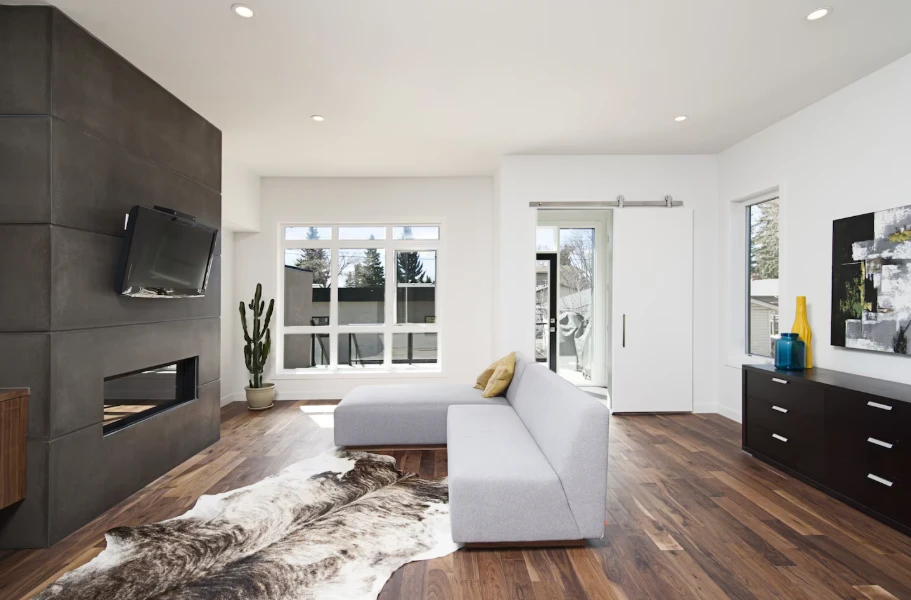
Final Thoughts
The room addition cost in Ventura County in 2026 runs from under $30,000 for a simple bump out to $250,000 or more for a second story, with most single room projects landing between $80,000 and $160,000. The successful projects share the same foundation: honest per square foot budgeting, a 10 to 15 percent contingency, engineered plans that sail through plan check, and a licensed builder who manages every trade under one roof. Construction by Maya brings that complete approach to every addition, guiding homeowners from the first sketch through final inspection with transparent pricing at each milestone. Ready to find out what your new space would actually cost? Contact Construction by Maya today to learn more and schedule your free consultation.
Frequently Asked Questions
1. What is the average room addition cost in Ventura County?
Most single story additions cost $250 to $400 per square foot, meaning a typical bedroom or office addition finishes between $80,000 and $120,000. Second story projects run $350 to $500 or more per square foot.
2. How long does a room addition take to build?
Plan on 3 to 6 months from consultation to final inspection. Design and engineering take several weeks, permits take 4 to 8 weeks, and construction runs 2 to 4 months depending on size and complexity.
3. Do I need permits for a room addition?
Yes, always. Expect $2,400 to $5,700 in total permit fees covering building, electrical, plumbing, and mechanical work. Unpermitted additions hurt appraisals and can derail a future home sale.
4. What is the cheapest way to add space to my home?
A bump out addition, which extends an existing room by 2 to 6 feet, is the most affordable option at $200 to $350 per square foot. A typical 8 by 10 bump out costs $16,000 to $28,000.
5. Is a room addition or an ADU a better investment?
It depends on your goal. An addition is better for expanding family living space and boosting bedroom count, while an ADU adds a self contained unit that can generate rental income. Many homeowners price both before deciding.
6. Does a room addition add value to my home?
Yes. Additions typically return 60 to 80 percent of their cost at resale, with bedroom additions performing best because bedroom count directly drives buyer searches and appraised value.
7. Can I add a second story to my home?
Most single story homes can support a second story with proper engineering, structural reinforcement, and foundation analysis. Budget $350 to $500 plus per square foot and a longer timeline than a ground level addition.
8. How much should I set aside for unexpected costs?
Hold 10 to 15 percent of your budget in reserve. Additions occasionally uncover foundation issues, outdated wiring, or framing surprises where new construction meets old, and a contingency keeps the project moving.